Jump to content

WanD

Members
  • Posts

    25
  • Joined

  • Last visited

  • Days Won

    5

WanD last won the day on September 12 2025

WanD had the most liked content!

About WanD

  • Birthday 07/10/2000

Profile Information

  • Gender
    Male
  • Location
    Malaysia

Recent Profile Visitors

855 profile views

WanD's Achievements

Member

Member (2/3)

42

Reputation

  1. Overview Team Manager: Kenjiro Ishikawa Head Coach: Édouard Lemaire Team Captain: Edward Moore Nickname: The Skymantles The Greiyan National Rugby Team, nicknamed The Skymantles, is the national rugby union team of the Kingdom of Greiya. Administered by Rugby Greiya, the team is a significant cultural institution in the nation. They are currently making their debut appearance at the 6th Rugby World Cup in Ryxtylopia Rugby was introduced to Greiya during the colonial period but was formally adopted as a national sport following independence in 1370 AF. The national team was officially formed in 1376 AF, with its first match being a fiercely contested loss against their historical rivals. For much of its history, the team was a semi-professional squad that dominated its immediate region but consistently failed to qualify for major world tournaments. In 1418 AF, the hiring of Head Coach Édouard Lemaire ushered in the Professional Era. Lemaire's complete overhaul of the domestic league and youth development systems led to the rise of the current "Golden Generation" of fully professional athletes. This new squad achieved unprecedented success, culminating in the team's first-ever qualification for the Rugby World Cup. Players Starting 15 Ahmad Rizal – Loosehead Prop James Fairchild – Hooker François Dubois – Tighthead Prop Li Wei – Lock Mohamed Banu – Lock William Clarke – Blindside Flanker Rashid Rahman – Openside Flanker Edward Moore – Number 8 (Captain) François Lemoine – Scrum-Half Oliver Bennett – Fly-Half Ahmad Faizal – Left Wing Sophie Dubois – Inside Centre Hiro Tanaka – Outside Centre Chen Xia – Right Wing Ravi Kumar – Fullback Substitutes (16–23) Malik Hassan – Hooker Pierre Martin – Prop Jonathan Reid – Prop Arjun Patel – Lock/Flanker Nicolas Laurent – Flanker Siti Amani – Scrum-Half Kenji Sato – Fly-Half/Back Alessandro Rossi – Fullback/Wing Team Kits RP Permissions If my opponent RPs first, they may... Choose my try scorers: Yes Choose my kicker: Yes RP injuries: Yes Godmod scoring events: dm me first Godmod injuries: dm me first Godmod other events: dm me first
  2. Demographics The Kingdom of Greiya is a pluralistic nation defined by its complex demographic tapestry, with an estimated population of 5.6 million as of the 1425 estimate. The country's demographic landscape is the product of centuries of migration, trade, and colonial history, resulting in a complex cultural mosaic rather than a single homogenous identity. The concept of a "Greiyan" identity is therefore a pluralistic one, built on the coexistence and synthesis of its diverse constituent peoples. The population is highly urbanized, with over 70% of inhabitants residing in the fertile coastal plains surrounding Bukwas Bay. This creates a high population density in the nation's economic heartland, particularly in the Mitake Port metropolitan area, which stands in stark contrast to the sparsely populated mountainous highlands and the near-uninhabited interior rainforests. Ethnic Groups Greiyan society is composed of several major ethnic groups, with no single group forming an absolute majority. This balance is a defining feature of the nation's politics and social fabric. Minsunese: Descendants of the founders of the House of Minato, the Minsunese have historically formed the nation's aristocracy and political elite. Their culture is deeply influential in national institutions, and they are concentrated in their ancestral heartland of the Kita-yama highlands and the historical Bukwas Prefecture. Banu Pongo: As the indigenous inhabitants of the region, the Banu Pongo are culturally and spiritually connected to the land. They form a significant portion of the rural population, especially in the Ulu Tawar interior, but are also a major political force in the modern democratic state. Sekiyan: The Sekiyan community has historically been the engine of Greiya's commerce and trade. Concentrated in the fertile Jinhe river valley, their culture is known for its strong family networks and entrepreneurial spirit. Uttaran: Descendants of merchants and laborers who migrated to Greiya, the Uttaran people have enriched the nation with their vibrant cultural and religious traditions. They are a prominent community in the southern hills of Marudha Prefecture and are well-represented in the nation's professional class. Markan and Southern Gulderienne: These two groups are the legacy of the colonial period. Markans are often concentrated in the administrative and legal sectors, reflecting their historical role, while the Southern Gulderienne have cultivated a distinct identity in arts, viticulture, and diplomatic circles. Languages Reflecting its ethnic diversity, Greiya has several official languages that serve different functions in society. Common: As the de facto international language of commerce, diplomacy, and science across Esferos, Common is the primary official language of Greiya. It is used in government, the legal system, higher education, and national media to facilitate both inter-ethnic communication within the country and engagement with the wider world. Ikida: The most widely spoken vernacular language in daily life, particularly among the Banu Pongo. It functions as the nation's lingua franca in informal settings. Minsunese: The language of the Royal Court, historical texts, and high culture. Its written form uses a unique script. Valley Sekiyan (谷语): A tonal language that is dominant in the world of business, finance, and trade. Genterienne and Markan: While less common in everyday use, Genterienne is spoken in some elite circles, and Markan is preserved as a liturgical and classical language, primarily used in legal terminology, university mottos, and certain religious ceremonies. Health The overall health of the population in Greiya reflects the country’s high standard of living and well-developed public health system. Life expectancy at birth is among the highest in the region, averaging 81 years, with women typically living longer than men. Universal healthcare is provided under a national system administered by the Ministry of Health, which guarantees access to basic medical services through a network of public hospitals, community clinics, and prefectural health boards. While most advanced medical facilities are concentrated in the coastal cities, particularly Mitake Port, recent government reforms have expanded rural healthcare delivery through mobile clinics and telemedicine programs, narrowing the urban-rural health gap. Major public health concerns include lifestyle-related conditions such as cardiovascular disease and diabetes, which have risen in prevalence alongside urbanization and dietary change, while communicable diseases have been largely controlled through widespread vaccination and sanitation programs. Infant and maternal mortality rates have declined significantly over the past century, reflecting improvements in medical care and nutrition. The government invests heavily in preventive medicine, health education, and research, with a growing focus on mental health awareness and the integration of digital health technologies. Internationally, Greiya is recognized for its strong role in humanitarian medical assistance and cooperation, sending medical teams abroad during crises while hosting training programs for healthcare workers from neighboring states. Education Education in Greiya is compulsory from the ages of 6 to 16, reflecting the government’s emphasis on literacy, social mobility, and workforce development. The system is overseen by the Ministry of Education, which establishes a national curriculum while allowing prefectures some flexibility to incorporate local languages and cultural traditions. Public schools are the foundation of the system, though private and international schools play an important role in urban areas such as Mitake Port and Belle-Rive. Instruction is bilingual from the outset, with Ikida and Common serving as the primary languages, while Minsunese and Valley Sekiyan are offered as additional subjects in many schools. Secondary education divides into academic and vocational streams, both culminating in national examinations that determine entry into tertiary institutions. Higher education is led by the University of Mitake Port and several specialized institutes, particularly in fields such as maritime studies, digital innovation, and medicine. While Aura as a continent is considered the historical heart of education, Greiya is regarded as one of its rising centers of learning, with a literacy rate above 95% and growing international recognition for its research output. Recent initiatives have focused on bridging the urban-rural gap through digital classrooms and scholarship programs aimed at indigenous and disadvantaged communities.
  3. Economy The Kingdom of Greiya is best characterized as a post-industrial service and logistics economy, underpinned by a high per capita income, strategic integration into global trade, and a dominant tertiary sector. As of the 1425 estimate, Greiya's Gross Domestic Product (GDP) at purchasing power parity (PPP) was approximately $263.6 billion, ranking it 79th globally. However, with a GDP (PPP) per capita of $47,174, it stands as one of the wealthiest nations in the world on a per-person basis, ranking 19th. The national currency is the Greiyan Gez (GZ) (plural: Gezzes), which is managed by the nation's central monetary authority and is regarded as a stable and reliable currency in regional financial markets. The government's economic policy emphasizes open markets, foreign investment, and strategic development in technology and sustainable industries. Sectors of the Economy Greiya's economy is structured across three main sectors, with the tertiary (service) sector contributing the largest share to the national GDP. Primary Sector The primary sector, while smaller in its contribution to GDP, remains vital for domestic food security and specialized exports. Agriculture: Greiya's diverse geography allows for varied agricultural production. The fertile coastal plains of Bukwas Prefecture are the nation's breadbasket, utilizing advanced mechanization for intensive cultivation of rice, vegetables, and fruits. The southern hills of Marudra Prefecture are dominated by a plantation economy—a legacy of the colonial era—producing high-value export crops such as tea, spices, and rubber. In the interior, the Ulu Tawar Prefecture focuses on sustainable, low-impact harvesting of rare timber and medicinal plants from its rainforests. Mining and Forestry: The Northern Highlands of Kita-yama Prefecture contain deposits of iron ore and other industrial minerals. The forestry industry is heavily regulated to ensure sustainability, focusing on selective logging and reforestation programs. Secondary Sector The industrial sector in Greiya focuses on light, high-value manufacturing rather than heavy industry, leveraging a skilled workforce and technological innovation. Agro-Processing: A significant industry involves adding value to the nation's agricultural output. This includes tea processing and packaging, spice grinding, and the production of packaged foods for both domestic and international markets. High-Tech Manufacturing: Greiya specializes in the production of high-value-added goods, including the assembly of complex electronics and the manufacture of precision medical instruments. Energy: A substantial portion of Greiya's electricity is generated by hydroelectric power plants located on the rivers flowing from the Kita-yama Highlands, forming a key part of the nation's green energy and sustainability strategy. Tertiary Sector The service sector is the undisputed engine of the Greiyan economy, responsible for its high level of wealth and global integration. Trade and Logistics: The economy's cornerstone is the Mitake Port, one of the busiest and most efficient transshipment hubs in the region. Leveraging the natural advantages of Bukwas Bay, Greiya's logistics industry provides world-class shipping, warehousing, and supply chain management services. Financial Services: Mitake Port City serves as a major regional financial center. It hosts the headquarters of numerous national and international banks, insurance companies, and investment firms. The stability of the Greiyan Gezzes and a transparent regulatory environment have made it an attractive hub for capital. Tourism: Tourism is a significant and growing industry. The dramatic coastline and wineries of Belle-Rive Prefecture attract international visitors, while the unique culture of Marudha Prefecture and the exclusive, high-end ecotourism of the Ulu Tawar rainforest appeal to niche markets. Information Technology: Driven by government initiatives, Greiya's digital economy is expanding rapidly, with growth in software development, data centers, and digital communication services. Trade and Foreign Economic Relations Greiya is a trade-dependent nation, with the total value of its imports and exports exceeding its GDP. Its strategic location makes it a natural gateway for commerce flowing through the continent of Aura. The government actively pursues free-trade agreements and maintains a pro-business environment to attract foreign direct investment. Its primary trade partners are its immediate neighbors, Staneburg and Kirsil, as well as other major economic powers on the continent. Economic Challenges Despite its prosperity, Greiya faces several economic challenges. These include a notable income disparity between the highly developed urban population of the coastal plains and the more rural communities of the interior, a disparity which contributes to regional political tensions and presents an ongoing challenge for national cohesion. Its heavy reliance on international trade also makes it vulnerable to global economic downturns and geopolitical instability.
  4. Geography The Kingdom of Greiya is a coastal nation situated in the northeastern quadrant of the continent of Aura, encompassing a total area of approximately 33,000 square kilometers. Its territory is geographically centered on the Tropic of Eli, a line of latitude at 22.5° north of the equator. The nation's geography is intrinsically linked to its maritime environment, most notably its strategic position around a large, sheltered natural bay that has served as the fulcrum of its cultural and economic development. Its location within this warm, tropical zone has resulted in a highly diverse landscape, ranging from humid coastal plains and rugged mountains to extensive inland rainforests. This unique geographic positioning has been a foundational determinant in its historical trajectory, fostering a society predicated on maritime commerce while insulating it from the more severe climatic extremes of the continent. Topography and Landforms The topography of Greiya presents a complex mosaic of four principal physiographic regions, each with a distinct ecological and societal function. The most significant of these is the alluvial coastal plain, a fertile and low-lying belt that encircles the central bay. Formed by the fluvial deposits of rivers descending from the interior highlands, this region constitutes the agricultural heartland of the nation and is, consequently, the most densely populated area, containing the majority of its urban centers. Its landscape is characterized by intensive cultivation, specializing in tropical and subtropical crops, interspersed with modern, sprawling metropolises that benefit from direct access to the nation's primary port facilities. While the flat terrain has facilitated extensive infrastructure development, it concurrently presents persistent challenges related to seasonal inundation from monsoonal rains, necessitating a sophisticated and costly system of canals, levees, and dikes. Rising in sharp relief from the plains is a northern highland region, a rugged mountain range that forms a natural orographic barrier across the country. These mountains are distinguished by steep slopes, deep V-shaped valleys, and extensive temperate and subtropical forest cover. Functioning as a climatic divide, this range induces significant orographic precipitation by forcing moisture-laden air from the south to rise, thereby feeding the nation's primary river systems. The region is sparsely populated but culturally significant, containing most of Greiya's mineral resources and a history tied to mining and forestry. At higher elevations, altitudinal zonation gives rise to misty cloud forests, which are vital for water retention and harbor unique, endemic species. To the west and south, the terrain transitions into rolling hills and plateaus. This region is less mountainous than the northern highlands, featuring a gentler topography that supports a different form of agriculture, including large-scale plantations for cash crops such as tea, spices, and rubber—a geomorphic and economic legacy of the colonial period. The western portion of this region forms a dramatic coastline with high cliffs facing the open sea, which has fostered the growth of resilient fishing communities and a burgeoning tourism sector. The southern hills serve as a productive buffer zone between the temperate-feeling highlands and the tropical interior, allowing for a diversity of agricultural practices that contribute significantly to the nation's food security. The largest and most remote region is the great interior forest, a vast expanse of ancient rainforest that represents the northernmost extent of Aura's extensive tropical belt. This area accounts for a substantial portion of Greiya's high percentage of forest cover and constitutes a critical repository of biodiversity. Characterized by a dense multi-layered canopy, high humidity, and a complex ecosystem, it is largely undeveloped and serves as the ancestral homeland for the nation's indigenous communities. Its preservation is a cornerstone of national environmental policy, presenting an ongoing challenge of balancing ecological conservation with the imperatives of resource extraction and the constitutionally recognized land rights of its inhabitants. Climate The climate of the Greiya is fundamentally tropical, a direct consequence of its geographic location centered on the Tropic of Eli at 22.5° north latitude. The nation's weather patterns are predominantly shaped by three factors: its proximity to the warm waters of the Timeworn Sea and Bukwas Bay, the influence of a seasonal monsoon system, and the significant variations in altitude between its coastal plains and northern highlands. This results in a climate characterized by high year-round temperatures in the lowlands, with distinct seasons defined by rainfall rather than temperature. Governing Climatic Influences Greiya's climate is driven by a monsoonal wind system. For approximately half the year (typically May to October), prevailing winds from the south and southwest carry abundant moisture from the sea, resulting in a pronounced wet season. For the remainder of the year (November to April), the wind patterns shift, bringing drier and more stable atmospheric conditions, which creates a distinct dry season. This seasonal cycle is the most important climatic feature of the nation, profoundly influencing agriculture, hydrology, and cultural life. Primary Climate Zones Despite its modest size, Greiya features two primary climate zones, largely delineated by elevation. The Lowland Tropical Monsoon Zone This climate zone encompasses the vast majority of Greiya's population and territory, including the coastal plains, the southern hills, and the western coast. Characteristics: This zone is characterized by consistently hot and humid conditions. Average daily temperatures rarely fall below 24°C (75°F) and typically range up to 32°C (90°F). Seasonal Pattern: The wet season brings heavy, often daily, convectional rainfall and high humidity, which is essential for the cultivation of the nation's staple rice crop. The dry season is marked by significantly less precipitation and more direct sunlight, though temperatures remain high. The maritime influence prevents the extreme temperature spikes found in more continental climates. The Highland Subtropical Zone This cooler climate is found exclusively in the Kita-yama mountain range of northern Greiya, where altitude is the primary determinant of local weather. Characteristics: Temperatures in the highlands are significantly milder than in the lowlands. The region experiences warm days and cool nights, with a pronounced diurnal temperature range. While remaining largely frost-free, the coldest months can bring crisp, cool conditions, and the highest peaks may occasionally receive a transient dusting of snow. Precipitation: The highlands are the wettest part of Greiya. The mountains create an orographic effect, forcing the moist monsoon air to rise, cool, and release its moisture as heavy rainfall. This process creates a lush, misty environment, supports temperate and cloud forests, and serves as the source for all of Greiya's major rivers. Impact on Society and Environment The climate is a pervasive force in Greiyan society. The entire agricultural calendar is timed to the monsoon's arrival and departure. The abundance of rainfall supports the nation's extensive forests and provides a reliable source of fresh water, but it also presents the recurring challenge of managing seasonal floods on the populous coastal plains. Architectural styles have traditionally been adapted for the heat and rain, and the pleasant, sunny conditions of the dry season have become a critical asset for the nation's valuable tourism industry.
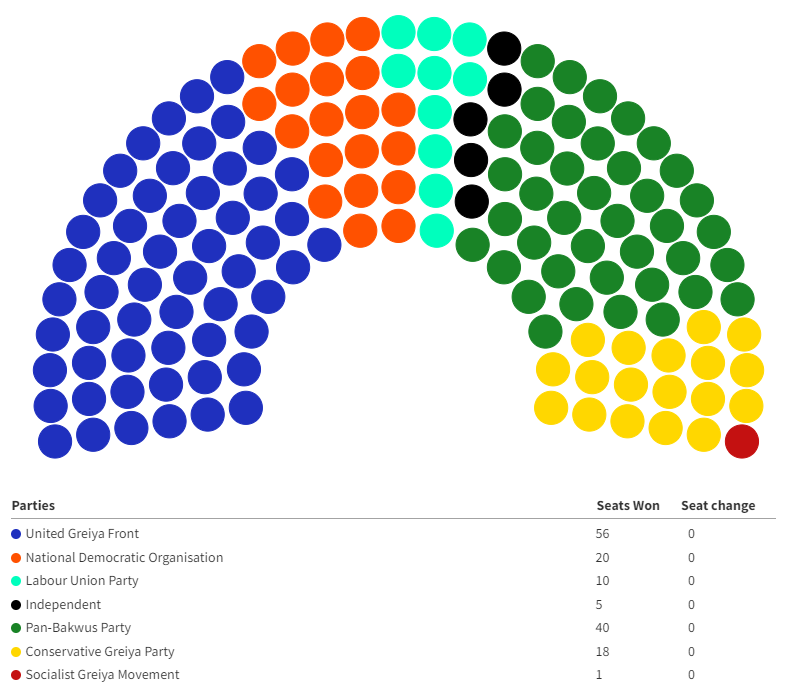
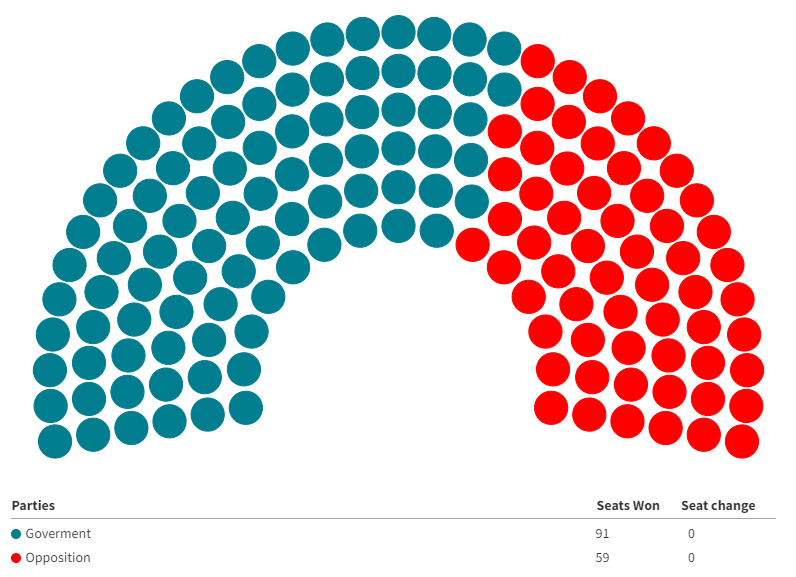
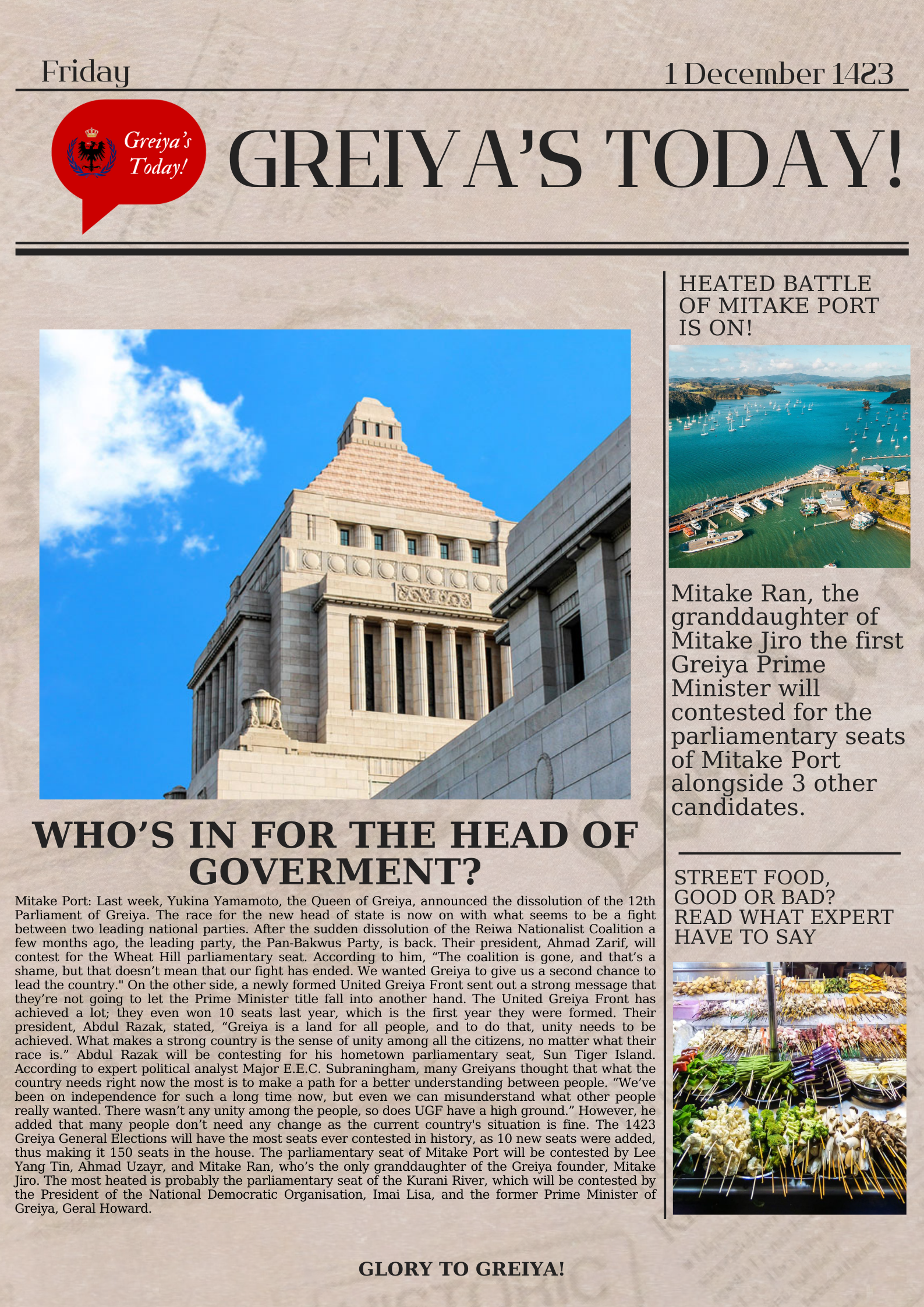
  5. Government and Politics Overview The Kingdom of Greiya is a unitary parliamentary semi-constitutional monarchy. Its political system blends the historical authority of its monarchy with the democratic principles of a representative parliament, reflecting the nation's multicultural and post-colonial identity. The government is centralized in the national capital, Mitake Port. Core Political Structure The Greiyan state is structured around three core branches: The Monarchy (Head of State): The hereditary monarch, currently Queen Minato Yukina of the House of Minato, serves as the unifying symbol of the nation. While the role is primarily ceremonial—providing Royal Assent to laws and formally appointing the Prime Minister—the monarch retains significant reserve powers to act in times of severe constitutional crisis, a precedent established during the Mitake Port Crisis of 1419-1423 AF. The Executive (The Government): Executive power is held by the Cabinet, led by the Prime Minister. The Prime Minister is the leader of the party or coalition that commands the confidence of the majority in the House of Representatives. The current Prime Minister is Abdul Razak of the United Greiya Front. The Cabinet is responsible for national administration and is accountable to the Parliament. The Legislature (The Parliament): Legislative power is vested in the bicameral Parliament of Greiya, consisting of the House of Representatives (150 elected members) and the House of Senate (50 appointed members). The House of Representatives: The lower house and primary legislative body, whose members are directly elected by the people. All legislation, particularly concerning finance, originates here. The House of Senate: The upper house, which serves as a chamber of review. Its members are appointed rather than elected, intended to provide a more deliberative check on legislation. Electoral System and Political Parties Greiya utilizes a multi-party system, where coalition governments are the norm due to the diverse electorate. Elections are held at least every five years to elect the 150 members of the House of Representatives. The political landscape is dominated by two major alliances: The Governing Coalition: Currently led by the United Greiya Front (UGF) in alliance with the National Democratic Organization (NDO) and the Union Labour Party. This center-left bloc holds a majority in both houses. The Opposition: The official opposition is led by the Pan-Bukwas Party in a center-right alliance with the Conservative Greiya Party. Monarchy The Monarchy of Greiya is the nation's oldest continuing institution and serves as the foundation of its political and cultural identity. As a semi-constitutional monarchy, it embodies the continuity of the state and functions as a symbol of national unity for Greiya's diverse populace. The monarch, a member of the hereditary House of Minato, acts as the head of state, balancing ancient tradition with the framework of modern parliamentary democracy. History and Evolution The origins of the Greiyan monarchy trace back to 790 AF with the establishment of the Bukwas Sultanate by Minato Oda, a royal noble from the Empire of Min-su. For four centuries, the Sultan reigned as the absolute sovereign, overseeing the region's development into a prosperous maritime power. During the period of colonial rule by the Holy Principality of Saint Mark (1191-1370 AF), the monarchy was stripped of its political authority but was permitted to retain its symbolic and ceremonial prestige. The House of Minato served as a crucial intermediary between the colonial administration and the local population, a role that preserved its legitimacy in the eyes of the people. Upon gaining independence in 1370 AF, the monarchy was fully restored, albeit with a significant transformation. The newly sovereign state was established as the Kingdom of Greiya, and the monarch's title was officially changed from "Sultan" to "King" or "Queen". This was a deliberate act to rebrand the institution as a unifying symbol for all of Greiya's ethnic groups—not just the Minsunese and Banu Pongo—and to align the nation with international diplomatic norms. Constitutional Role and Powers Under the Greiyan Constitution, the monarch's role is primarily ceremonial and formal, with executive power exercised by the elected government. The monarch is expected to remain politically neutral and act on the advice of the Prime Minister and the Cabinet. The formal duties of the monarch include: Serving as the official Head of State. Formally appointing the Prime Minister after a general election. Granting Royal Assent to legislation passed by Parliament, which is required for a bill to become law. Opening and dissolving Parliament at the start and end of a legislative session. Serving as the Commander-in-Chief of the Greiyan Royal Armed Forces. Bestowing national honors and awards. Reserve Powers A defining feature of Greiya's semi-constitutional framework is the existence of reserve powers, which allow the monarch to act unilaterally in exceptional circumstances, specifically during a constitutional crisis where the normal functions of government have broken down. These powers are uncodified and rely on convention. Their use was theoretical until the Mitake Port Crisis, when in 1422, Queen Minato Yukina invoked them to dissolve a corrupt government that had lost its legitimacy, thereby safeguarding the nation's democratic integrity. This event reaffirmed the monarch's ultimate role as the guardian of the constitution. The Current Monarch The reigning monarch is Her Majesty Queen Minato Yukina (1420-present). Her reign is notable for her decisive intervention during the Mitake Port Crisis, which dramatically shifted public perception of the monarchy from a purely symbolic institution to a vital component of the nation's system of checks and balances. She enjoys widespread public support and is regarded as a key figure in the restoration of political stability. Succession Succession to the Greiyan throne is determined by absolute primogeniture, wherein the monarch's eldest child inherits the throne, regardless of gender. Royal Residence The official residence of the monarch is the Bara no Kyuden (Palace of Rose), a historic and culturally significant palace located in Mitake Port that has been the home of the Minato family for generations. The Executive (The Government) Executive authority in Greiya is vested in the Cabinet, which is led by the Prime Minister and is responsible for the administration of the state. The executive branch directs national policy, implements legislation passed by Parliament, and manages the machinery of government. Under the principle of responsible government, the executive is directly accountable to the Parliament for its actions. The Prime Minister: As the head of government, the Prime Minister is Greiya's chief executive and most powerful political figure. By constitutional convention, the monarch appoints the individual who commands the confidence of the majority of members in the House of Representatives, typically the leader of the largest party in the governing coalition. The Prime Minister holds significant power, including the authority to appoint and dismiss Cabinet ministers, set the government's legislative agenda, direct the civil service, and serve as the primary representative of Greiya on the international stage. The Prime Minister is supported by the Prime Minister's Office (PMO), a department responsible for coordinating policy across all ministries. The Cabinet: The Cabinet is the central and collective decision-making body of the executive. It is composed of the Prime Minister and the most senior government ministers, who are selected from the governing coalition's members in either the House of Representatives or the House of Senate. Each minister is sworn in by the monarch and heads a specific government department, or ministry. The Cabinet meets regularly, typically weekly, to formulate policy and make key decisions. It operates under the convention of cabinet collective responsibility, meaning all ministers must publicly support government decisions or resign. The Civil Service: The executive branch is supported by the Greiyan Civil Service, a permanent and politically neutral bureaucracy responsible for implementing government policy. Civil servants provide administrative continuity regardless of which political party is in power. Cabinet of Greiya (1425 AF) The Cabinet of Greiya is the executive decision-making body of the Government of Greiya. It is chaired by the Prime Minister, who serves as head of government, and is composed of ministers responsible for the administration of specific government portfolios. The Cabinet currently consists of 15 ministries, covering areas such as finance, defence, education, agriculture, infrastructure, environment, trade, and social development. The streamlined structure reflects the government’s emphasis on efficiency, accountability, and modern governance, while ensuring representation of the country’s diverse political and social interests. Prime Minister: Muhammad Abdul Razak Deputy Prime Minister & Minister of Social Development: Imai Lisa Minister of Finance: Sheldon Bruce Minister of Defence: Lee Siew Kiew Minister of Education: Trisha Selvaramy Minister of Home Affairs: Su Ling Ying Minister of Foreign Affairs: Muhammad Hazman Shah Minister of Justice: Chandry Ramasamy Minister of Health: Sarah Lebowski Minister of Infrastructure: Harold D. Jackson Minister of Agriculture: Ahmad Vermansyah Minister of Environment & Energy: Momoyo Kurata Minister of Trade & Industry: Mitake Ran Minister of Technology: Aimoto Karen Minister of Labour: Chandran Muthurani Minister of Tourism & Culture: Sarah Maimunah Kasim Minister of Youth & Sports: Christophe Lemaire The Legislature of Greiya The supreme legislative body of the Kingdom of Greiya is the Parliament of Greiya. Vested with the authority to enact, amend, and repeal national laws, the Parliament serves as the primary institution for democratic representation and government accountability. It operates on a bicameral system, composed of two chambers: the directly elected House of Representatives and the appointed House of Senate. The House of Representatives (The Lower House) The House of Representatives is the center of political power in Greiya. It is the chamber from which the government is formed and to which it is ultimately responsible. Composition and Elections: The House consists of 150 members, known as Members of Parliament (MPs), who are elected through a first-past-the-post system in single-member constituencies. General elections are constitutionally mandated to occur at least once every five years. Powers and Functions: Formation of Government: The Prime Minister is appointed by the monarch from the ranks of the party or coalition that can demonstrate it holds the confidence of a majority of the House. Legislative Primacy: All legislation, particularly bills concerning taxation and public funds (supply bills), must originate in the House of Representatives. Scrutiny and Accountability: The House holds the executive accountable through mechanisms such as parliamentary questions, debates, and the work of select committees. Current Composition (Following the 1423 General Election): The current government is a coalition led by the United Greiya Front (UGF). The coalition, which also includes the National Democratic Organisation (NDO) and the Union Labour Party (ULP), commands a majority with 86 seats. The primary opposition is formed by the Pan-Bakwus Party and the Conservative Greiya Party. The House of Senate (The Upper House) The House of Senate functions as a chamber of sober second thought, providing legislative review and expert scrutiny. It is designed to be a less partisan body than the lower house. Composition and Appointment: The Senate is composed of 50 members, known as Senators, who are appointed rather than elected. The appointment process is designed to ensure a mix of political experience, regional representation, and professional expertise. Senators are typically appointed by the monarch on the advice of the Prime Minister and the Leader of the Opposition to reflect the political balance of the nation. Powers and Functions: Legislative Review: The Senate's primary role is to examine, revise, and, if necessary, delay legislation passed by the House of Representatives. While it can propose amendments, it cannot indefinitely block a bill and can be overridden by the lower house after a set period. In-depth Investigation: The Senate establishes committees to conduct detailed inquiries into complex social, economic, and legal issues, often producing influential reports that shape future policy. Current Composition: The Senate's composition reflects the political balance of the lower house, with the governing coalition holding a majority to ensure the passage of its legislative agenda. The government holds 23 seats, the opposition holds 16 seats, with 12 independents providing a crossbench. The Legislative Process For a proposal to become law, it must pass through a formal process in both houses of Parliament before receiving Royal Assent. First Reading: A bill is formally introduced in the House of Representatives. Second Reading: The bill's general principles are debated by MPs. Committee Stage: The bill is scrutinized line-by-line by a parliamentary committee, where amendments can be made. Third Reading: The final version of the bill is debated and voted upon. Passage to the Senate: If passed, the bill moves to the House of Senate, where it undergoes a similar three-reading process. Royal Assent: Once the bill has been approved by both chambers, it is presented to the monarch, Queen Minato Yukina, whose signature formally enacts it into the law of the land. House of Representatives House of Senate The Prefectural System of Greiya The Kingdom of Greiya is constitutionally defined as a unitary state, wherein ultimate sovereignty and legal authority reside with the central government in Mitake Port. For the purposes of administration, public service delivery, and local governance, the nation is divided into eight prefectures. This system, established through a series of administrative reforms in the early post-independence era, is designed to facilitate the efficient implementation of national policy while allowing for a degree of local representation. It represents a foundational compromise, born from the need to forge a unified national identity out of Greiya's profound regional and ethnic diversity while preventing the potential fragmentation that a federalist model, which was feared could reignite historical clan-based rivalries, might have risked. List of Prefectures The national territory of Greiya is divided into the following nine administrative divisions: Mitake Port City Bukwas Prefecture Jinhe Prefecture (金河県) Kita-yama Prefecture (北山県) Belle-Rive Prefecture Marudra Prefecture Leonia Prefecture Ulu Tawar Prefecture Structure of Prefectural Government Each of the eight prefectures is administered through a standardized structure consisting of an appointed Governor and an elected Assembly. This dual system creates a dynamic and often tense balance between central government oversight and local democratic accountability. The Prefectural Governor: The chief executive of a prefecture is the Governor, who functions as the direct agent and representative of the central government. Governors are typically senior civil servants or trusted political appointees nominated by the national Minister of Home Affairs, with the formal approval of the Prime Minister. Their primary mandate is to oversee the implementation of all national laws and policies, manage the extensive prefectural bureaucracy, and ensure regional stability. Their powers are considerable and include the authority to propose the annual budget to the Assembly, direct the regional constabulary, and in times of crisis, exercise emergency powers delegated by the central government. This appointment system reinforces the unitary nature of the Greiyan state, placing a loyal administrator in charge of the regional executive, a practice that critics argue can stifle local autonomy. The Prefectural Assembly: Each prefecture has a unicameral Prefectural Assembly, composed of members who are directly elected by the residents of that prefecture in elections that typically occur on a fixed four-year cycle. The size of the Assembly varies proportionally with the prefecture's population, from smaller bodies in rural regions to larger ones in more populous areas. The Assembly's primary role is to represent local interests, scrutinize the actions of the Governor, and exercise its limited legislative powers. It operates through a robust committee system to examine specific policy areas, such as education, health, and public works, holding public hearings and providing a crucial forum for debate on regional issues. While an Assembly cannot remove a Governor, it can pass resolutions of censure or formally reject the Governor's proposed budget, creating a political standoff that requires intervention from the Ministry of Home Affairs. Powers and Responsibilities The division of powers between the national government and the prefectures is clearly delineated in Greiyan constitutional law, establishing a distinct hierarchy of authority. National Government Competencies: The central government retains exclusive authority over matters deemed to be of national significance. These competencies include: National Defense, Foreign Affairs, and Immigration The National Legal Code, Judiciary, and Royal Constabulary Monetary Policy, National Taxation, and the National Budget Inter-prefectural and International Commerce, Transportation, and Communications Prefectural Government Competencies: Prefectural governments are delegated authority over a specific range of local and regional matters: Public Services: Management of public health facilities (clinics, hospitals), implementation of the national education curriculum through local school boards, and operation of social welfare programs. Infrastructure: Maintenance of local roads, bridges, public utilities (water, sanitation), and regulation of regional public transport. They are also responsible for local zoning laws and building permits. Economic Development: Promotion of local tourism (e.g., Belle-Rive Prefecture's "Vineyard Trail" initiative), management of public markets, and implementation of national agricultural support programs. Cultural Affairs: Preservation of local heritage sites, management of prefectural museums and libraries, and support for regional cultural festivals. Local Legislation: The Assembly can pass local ordinances, provided they do not conflict with national law. Its most significant power is the authority to debate, amend, and ultimately approve the annual prefectural budget proposed by the Governor. The Mitake Port City: A Special Case The Mitake Capital Territory operates under a unique framework due to its status as the national capital. Following the Mitake Port Crisis of 1419-1423 AF, its governance structure was reformed to address its growth and political significance. The territory is led by a Mayor, a position filled through a special election where only the serving MPs from the five core urban constituencies (Mitake Port District, Seki Square, Kuala Kris, Nik Zaki Street, and Clay Temple Town) are eligible to be candidates. The winner serves a dual role as both a national legislator and the city's chief executive. This system is intended to ensure seamless alignment between the capital's development and the national strategic agenda, but it also raises questions about potential conflicts of interest, as the Mayor must balance the needs of their constituency against the broader responsibilities of governing the entire city. Intergovernmental Relations and Fiscal Dependency The relationship between the central government and the prefectures is characterized by a significant power imbalance, primarily financial. Prefectural governments have very limited independent powers of taxation and are heavily dependent on fiscal transfers from the national treasury to fund nearly all their operations. This financial dependency is the central government's most powerful tool of leverage. Funding is often distributed as categorical grants, which are earmarked for specific purposes (e.g., infrastructure projects, educational programs), allowing the national government to direct regional policy priorities. Political tensions frequently arise when a Prefectural Assembly is controlled by an opposition party, often leading to protracted disputes over budget allocations and accusations that the central government is using its financial power to penalize political rivals. These disputes are typically mediated by the Ministry of Home Affairs, but unresolved conflicts can be escalated to the head of state.
  6. History Pre-Sultanate Period: The Banu Pongo The historical antecedents of the Minsunese-led Bukwas Sultanate are found in the indigenous Banu Pongo, a populace whose geographical distribution is attested throughout the northeastern expanse of the Aura continent. According to archaeological and linguistic evidence including stylistic commonalities in pottery, cognates in regional dialects, and patterns of settlement along major river systems, the communities of the Banu Pongo exhibited a notable concentration within the territories identified as the Cambric Darkesian region and the sovereign state of Arifiyyah. This evidence suggests that the Cambric Darkesian may have constituted their ancestral heartland, from which they later migrated. It is understood that their once more contiguous civilization diminished over time, resulting in the smaller, more dispersed tribal communities documented in later periods. The societal framework of the Banu Pongo was characterized by a profound integration with the natural environment, organized primarily around clan-based structures governed by councils of elders. Their cultural ethos is distinguished by a deep veneration for the land and its fauna, with the orangutan occupying a position of particular symbolic importance. This primate was afforded a high degree of reverence, functioning as a potent emblem of wisdom and strength. A significant cultural taboo prohibited causing harm to the creature, and oral traditions recount that spiritual leaders would interpret its behavior as omens. This veneration is understood to have permeated their social norms and animistic spiritual practices, thereby cultivating a worldview centered upon principles of ecological equilibrium. This philosophy manifested in sustainable practices such as rotational farming and selective harvesting, ensuring the long-term viability of their settlements. With respect to their economic activities, the Banu Pongo possessed considerable proficiency in agricultural production and regional commerce. They cultivated native flora and complemented their diet through managed forestry and hunting. This comprehensive understanding of the region's natural resources facilitated their establishment as influential figures in local trade networks. Trading goods often included high-value items such as rare hardwoods, aromatic resins, and medicinal herbs, which were exchanged for commodities such as salt, metals, and finished goods from other polities. It was under their stewardship that Bukwas Bay first emerged as a neutral emporium, a secure meeting point where diverse tribes could engage in commerce under the diplomatic oversight of the Banu Pongo. The societal values of the Banu Pongo, which prioritized ecological balance and peaceful coexistence, appear to have garnered them significant respect among neighboring tribal polities. Their system of governance, based on consensus-building, reinforced their reputation as impartial mediators. Consequently, they are believed to have played a pivotal role in the maintenance of regional stability and the facilitation of diplomatic relations prior to the arrival of other major ethnic groups, laying the economic and social groundwork upon which the future Bukwas Sultanate would be constructed. The Bukwas Sultanate (790–1191 AF) The political and demographic landscape of the region underwent a profound transformation with the arrival of the Minsunese, a people originating from the Empire of Min-su who reportedly migrated from a territory known as the Lavender Island. This migration culminated in an organized expedition led by Minato Oda, a scion of the royal house of Min-su who possessed a strategic vision to establish a new sovereign state. Capitalizing on the existing commercial infrastructure and diplomatic stability fostered by the Banu Pongo, Minato Oda formally established the Bukwas Sultanate (ブフワス・スルタン国, Bufuwasu surutan kuni) circa 790 AF, with the House of Minato as the ruling dynasty. The adoption of the title "Sultan" is widely interpreted by historians as a shrewd act of political syncretism, designed to legitimize Minsunese authority by integrating it with a title recognizable and respected within the broader regional trade networks. Under the House of Minato, the Sultanate instituted a centralized administration and a hereditary monarchy, which superseded the decentralized, clan-based governance of the Banu Pongo. However, historical records suggest that the indigenous Banu Pongo leadership was largely integrated into the new political structure rather than displaced. Banu Pongo chieftains were often accorded roles as local administrators and advisors, ensuring that their deep knowledge of the land and its resources continued to contribute to the state's welfare. This symbiotic relationship between the Minsunese ruling class and the Banu Pongo populace formed the bedrock of the Sultanate's internal stability and agricultural productivity. The Sultanate soon entered a period of unprecedented economic prosperity, often referred to as its Golden Age. The new administration leveraged the strategic location of Bukwas Bay, formalizing trade agreements, improving port facilities, and providing security for maritime traffic. This enhanced stability and efficiency turned the bay from a regional emporium into a vital nexus of international trade. The Sultanate's growing wealth and reputation as a safe harbor attracted significant immigration. Merchants, artisans, and financiers from neighboring coasts, primarily of Sekiyan origin, established influential communities within the burgeoning capital. Concurrently, traders and scholars from more distant lands, including the Uttaran peoples, also settled in the port, contributing to the development of a cosmopolitan society. This era was defined by a remarkable cultural and ethnic fusion. Over the course of four centuries, Minsunese administrative principles, Banu Pongo ecological knowledge, Sekiyan commercial acumen, and Uttaran scholarly traditions began to coalesce, forming the foundations of a unique Greiyan identity. The Colonial Period: Rule by the Holy Principality of Saint Mark (1191–1370 AF) The Crown Colony (1191–1299 AF) The sustained prosperity and strategic importance of the Bukwas Sultanate eventually attracted the imperial ambitions of the Holy Principality of Saint Mark, a formidable maritime power seeking to expand its commercial and military influence. In 1189 AF, a well-equipped Markan naval fleet launched a decisive attack on Bukwas Bay. The Sultanate's forces, though capable in regional conflicts, were ultimately unable to repel the technologically superior and tactically advanced Markan military. After a brief but consequential conflict, the ruling Sultan was compelled to negotiate terms of surrender. The formal subjugation of the Sultanate was codified in the Sun Tiger Agreement of 1191 AF. Signed on Sun Tiger Island, a strategic location within the bay, this treaty officially dissolved the sovereignty of the Bukwas Sultanate and ceded the territory to the Holy Principality. The region was subsequently reorganized as the Crown Colony of Graea, a designation reflecting the Markan linguistic adaptation of the traditional name. This act marked the beginning of nearly two centuries of foreign domination. Under the new colonial administration, Greiya's function was fundamentally altered. It was swiftly developed into a fortified entrepôt, a strategic trading post that served the economic interests of the Principality. The Markan authorities invested heavily in expanding the port infrastructure, constructing new fortifications, and establishing a rigid administrative framework to oversee the lucrative trade routes that passed through the bay. Local economic activity was redirected to benefit the colonial power, with an emphasis on the extraction of raw materials and the taxation of commerce. The House of Minato, while stripped of all genuine political authority, was permitted to retain its titles and symbolic prestige. This was a calculated political decision by the Markan administration to ensure social stability. The former Sultan and the Minsunese nobility were repurposed as ceremonial intermediaries, tasked with liaising between the colonial rulers and the local populace. This arrangement provided a veneer of continuity that helped to quell dissent while cementing Markan control. The colonial era also precipitated a new wave of migration, as Markan administrators, soldiers, and merchants, along with Southern Gulderienne traders, settled in the colony, forming a new, privileged social stratum. The Protectorate State (1299–1370 AF) On the 14th of April 1299, the Holy Principality of Saint Mark initiated a significant administrative restructuring, reclassifying the Crown Colony as the Protectorate State of Greiya. This policy shift was not an act of benevolence but was motivated primarily by pressing strategic and economic considerations. The Principality's imperial authority was facing a period of significant challenge across its global holdings, with several overseas territories successfully breaking away through violent rebellions and sustained independence movements. These losses were straining its imperial resources, and the high financial and military costs associated with direct administration were proving unsustainable. Furthermore, decades of direct rule in Greiya had fostered a climate of growing local unrest, ranging from quiet non-compliance to organized resistance, which further increased the expense of governance. The transition to a protectorate was therefore a pragmatic measure intended to preempt a similar rebellion in a strategically vital territory by granting the appearance of autonomy. Under this new arrangement, the House of Minato was nominally reinvested with authority over a limited sphere of domestic matters. This included overseeing local civil disputes, managing cultural and religious affairs, and administering municipal services within Mitake Port. This move was calculated to create an appearance of self-rule, placating the traditional Greiyan elites by restoring their titles and ceremonial functions, which in turn was expected to pacify the broader population. However, this restoration of power was largely superficial and deliberately circumscribed. In practice, the Protectorate functioned as a colony under a different legal and political guise, with the Principality of Saint Mark retaining absolute and non-negotiable control over all sectors critical to its imperial interests. The colonial administration maintained decisive authority over key areas: defense was exclusively managed by the Markan garrison stationed on Sun Tiger Island; foreign policy remained the sole prerogative of the Principality, preventing Greiya from forming independent alliances; and, most critically, the economic framework was entirely geared toward the benefit of Saint Mark. All major taxation arteries, including port tariffs, customs duties, and revenues from resource extraction, flowed directly to the colonial treasury. The local Greiyan leadership, while granted a more visible public role, operated primarily as ceremonial figureheads and intermediaries for the colonial administration. Their primary function was to implement Markan directives and maintain social order, rather than to exercise genuine sovereignty. The reclassification did succeed in stabilizing the region and easing the administrative burden on Saint Mark, but it failed to alter the fundamental power imbalance or advance the cause of true self-governance for the people of Greiya. This period of indirect rule and nominal autonomy would persist, fostering a deep-seated resentment and a clearer understanding of colonial limitations, until the movement for full independence gained unstoppable momentum in the mid-14th century. Independence and the Early Kingdom Period (1370 AF onwards) The attainment of full sovereignty for Greiya was a methodical and diplomatic process, formally culminating on the 10th of July, 1370 AF, but set in motion years earlier. The legal framework for this transition was established by the Treaty of Sanctus Leo, signed in 1367. This landmark agreement was the result of lengthy negotiations between a Greiyan provisional leadership council, comprising representatives from all major ethnic groups, and diplomats from the Holy Principality of Saint Mark, whose imperial power was in a state of terminal decline. The treaty delineated the precise terms for a peaceful and structured transfer of power, a testament to the Greiyan leaderships' strategic patience and the Principality's inability to sustain its costly colonial administration. The three-year interim period between the treaty's signing and the declaration of independence was a critical phase of state formation. During this time, a joint commission oversaw the orderly withdrawal of the Markan military garrison from its stronghold on Sun Tiger Island and managed the systematic handover of all key administrative institutions. Departments such as the Treasury, the Port Authority of Kurani, and the colonial judiciary were gradually transferred to Greiyan control, with provisional leaders shadowing their Markan counterparts to ensure a seamless transition. This carefully managed process prevented the administrative chaos that had plagued other newly independent states and ensured that on July 10, 1370, with the last vestiges of colonial authority formally dissolved, a functional state apparatus was already in place to support the newly proclaimed, independent, and sovereign Kingdom of Greiya. A significant development marking this new era was a deliberate and symbolic shift in the titling of the nation's monarch. The House of Minato, in a calculated break from the traditions of the pre-colonial Bukwas Sultanate, officially adopted the titles of King or Queen. This change, reportedly the subject of considerable internal debate, was a multi-faceted political and cultural statement. It consciously signaled a departure from the historical sultanate, which had been subjugated, and embraced a monarchical title more aligned with the international diplomatic norms established by Southern powers like Saint Mark. This rebranding was instrumental in asserting Greiya's status as a modern, peer sovereign on the world stage. Furthermore, it served as a powerful unifying gesture for the new nation's diverse, multi-ethnic populace. By moving away from the title of "Sultan," which carried specific Minsunese and Banu Pongo cultural and religious connotations, the monarchy was repositioned as an institution for all Greiyans, including the significant Sekiyan, Uttaran, and remaining Markan and Gulderienne communities. The decades following independence are largely characterized as a period of sustained peace and intensive nation-building. Having secured its sovereignty through diplomacy rather than protracted warfare, the new Kingdom of Greiya was able to direct its resources inward. The primary focus of the early governments, operating under the new semi-constitutional monarchy, was on economic reconstruction, establishing new international trade partnerships to break the colonial monopoly, and, most importantly, forging a unified national identity from a heterogeneous society. This era saw the establishment of the national currency, the Greiyan Gezzes, and the founding of a central bank to stabilize the economy. A national education curriculum was designed to teach the histories and languages of all major ethnic groups, fostering mutual understanding. Concurrently, the formal establishment of the bicameral Parliament and the codification of a national legal system created the institutional bedrock for a cohesive and pluralistic Greiyan identity. This concerted effort to build a state that respected its constituent cultures laid the groundwork for the stable and prosperous nation of the subsequent century.
  7. Etymology The provenance of the toponym Greiya is multifaceted, indicative of the nation's historical narrative of migration, commerce, and colonial administration. The modern designation constitutes a linguistic synthesis of indigenous, Minsunese, and Markan influences that developed over a period of several centuries. Its ultimate origin is traceable to the Minsunese appellation for Bukwas Bay, the long-established geographical and cultural nucleus of the region. Minsunese Origins: Gereiya (護嶺湾) The earliest attested lexical form of the name is the Minsunese term Gereiya (護嶺湾), the semantic content of which translates to “sheltered peak bay” or, idiomatically, “safe harbor.” This designation is a direct reference to the distinctive geography of Bukwas Bay, a natural harbor affording protection by coastal mountains that historically provided secure anchorage for maritime vessels. This geographic advantage is recognized as the primary factor in the region's development as a maritime emporium. Minsunese chronicles, with an inception concurrent to the arrival of Minato Oda and the establishment of the House of Minato circa 790 AF, utilize Gereiya to denote the bay and its adjacent settlements. Notwithstanding the official state name during this period being the Bukwas Sultanate (ブフワス・スルタン国, Bufuwasu surutan kuni), the appellation Gereiya retained a significant cultural and poetic resonance. Its usage was frequent in sagas, religious texts, and navigational charts of Minsunese provenance, wherein it carried strong connotations of refuge and divinely granted prosperity. The dissemination of the term occurred through regional trade networks, leading to its establishment as the common Minsunese-derived exonym for the Sultanate among foreign seafarers and merchants. The Markan Period and Linguistic Adaptation Subsequent to the annexation of the Bukwas Sultanate by the Holy Principality of Saint Mark, which was formalized by the 1191 AF Sun Tiger Agreement, a significant modification of the name occurred. The adaptation of local toponyms was undertaken by Markan administrators, who conformed regional terms to the phonological and orthographic conventions of the Principality's official language. In official colonial records, taxation registers, and military decrees, the term Gereiya underwent transcription into the Markan administrative language as Graea. This resultant form constituted a phonetic simplification, contracting the trisyllabic Ge-rei-ya into the disyllabic Grae-a. Such an alteration is characteristic of linguistic adaptation, whereby local phonetic complexities are streamlined for administrative utility by a new ruling class. For the duration of the colonial and protectorate periods (1191–1370 AF), Graea was the official designation employed in all documents issued by the Principality and was featured on its official maps and naval charts of the Timeworn Sea. Throughout the century of Markan influence, a convergence of this administrative term with local pronunciations commenced, yielding a hybrid form wherein the hard 'ae' sound evolved into a diphthong, thereby approaching the modern form. Regional Variants and Cultural Crossroads The history of Greiya as a multicultural entrepôt is evidenced by the various appellations employed by its principal ethnic communities. The development of these lexical variants proceeded in parallel and they remain in cultural usage. Ikida: The Banu Pongo, being the indigenous inhabitants of the region, have historically referred to the land as Geriyah (Ikida script: ݢرييه). This rendering aligns with the phonological patterns of the Ikida language. The distinctive script utilized for this name was introduced centuries prior by mariners and clerics from Zogradia and Arifiyyah, a fact that highlights the extensive historical trade and religious connections between the Banu Pongo and other major regional powers. Valley Sekiyan: Sekiyan chronicles and mercantile records rendered the name with logographic characters as 谷嶺湾 (Gǔ Lǐng Wān), signifying "Valley Peak Bay." While phonetically analogous to Gereiya, this interpretation imparts a layer of Sekiyan cultural imagery, with an emphasis on the fertile valleys descending from the forested mountains to the bay. This name is reflective of the Sekiyan community's profound connection to both commerce and agriculture. Genterienne: Traders and diplomats from the Doll Guldur lands, for whom Genterienne was their spoken language, adopted the form Greija. This spelling is consistent with the phonetic conventions of their language and became the prevailing exonym for the territory in the northeast, appearing frequently in trade agreements and correspondence originating from that region. Post-Independence and Modern Codification Following the proclamation of independence on 10 July 1370 AF, the codification of a single, official state name became a necessity for the new sovereign entity. A deliberate decision was made, and the designation ultimately adopted was Greiya.
  8. OVERVIEW Greiya, officially the Kingdom of Greiya is a country in the northeast of Aura. It is a semi-enclave border bordered by Staneburg on the east and with Bukwas Bay of the Timeworn Sea on the north, [A19] on the south and Kirsil on the west. Mitake Port is the country's national capital and largest city. Divided into 8 prefectures, about 67% of the country's terrain is heavily forested, concentrating it's agriculture and highly urbanized population along its northern coastal plains. With a population of 5,586,920 it is the 19th least populous country. In its early history, Greiya was a maritime emporium that are mostly managed by the indigenous Banu Pongo before the arrival of the Minsunese who seek to find a new homeland from the Lavender Island. One of those is Minato Oda, one of the royals who come from Min-su with a vision to build his own kingdom which were later called ブフワス・スルタン国 (Bufuwasu surutan kuni) or Bukwas Sultanate under the new ruling House of Minato sometimes in 790 AF. The Sultanate enjoyed prosperous economy from the regional trade route and many expats moved in because of the Bukwas Bay status as a safe natural harbor and many traders, merchants and settlers stayed behind to become a settlers. Over time, the population became ethnically mixed with locals plus newcomers from neighboring coasts, islands, or inland trade routes. In the 1189 AF, the sultanate were attacked by the Holy Principality of Saint Mark and under a peace treaty known as the 1191 Sun Tiger Agreement, Bukwas Bay become a colony thus establishing Greiya as an entrepôt trading post for the principality. The House of Minato retained symbolic prestige but lost real political power, serving instead as intermediaries for the colonial rulers. On the 14th of April 1299, the Holy Principality of Saint Mark reorganized Greiya into a Protectorate State. Unlike a Crown Colony, where Saint Mark exercised direct rule, the Protectorate arrangement restored limited autonomy to local authorities, most notably the House of Minato. This arrangement stabilized the region and allowed Saint Mark to reduce administrative costs. The reclassification of Greiya as a Protectorate in 1299 AF offered little real sovereignty. Though the House of Minato was nominally restored, the arrangement functioned as little more than a colony under another name. Saint Mark retained decisive authority over defense, trade, taxation, and foreign affairs, while local leaders acted largely as ceremonial intermediaries between the colonial administration and the people. On 10 July 1370 AF, Greiya proclaimed its independence from the Holy Principality of Saint Mark, establishing itself as a sovereign state. The declaration marked a decisive turning point in the nation’s history, as local leadership asserted full authority over governance and foreign affairs for the first time in centuries. The event is regarded as the foundation of the modern Greiyan state and is commemorated annually as Independence Day, symbolizing the restoration of national sovereignty and cultural identity. Greiya is a linguistically and ethnically diverse nation, reflecting its long history of migration and cultural exchange. The country recognizes multiple official languages, including Common, Ikida, Minsunese, Valley Sekiyan (谷语), Genterienne, and Markan, which serve both administrative and cultural functions across different regions. The population is composed of several major ethnic groups, with Minsunese (25.9%) and Banu Pongo (24.1%) forming the two largest communities, followed by Sekiyan (13.9%), Uttaran (12.7%), Markan (10.2%), and Southern Gulderienne (8.9%). Smaller minorities, collectively grouped as "Others," account for 4.3% of the population. This blend of languages and ethnicities has shaped Greiya’s social fabric, contributing to a rich cultural heritage that balances indigenous traditions with influences from historical migration and colonial encounters. Greiya operates as a unitary parliamentary semi-constitutional monarchy, combining elements of traditional authority with modern democratic governance. The monarchy, held by the House of Minato, serves primarily as a symbolic and unifying institution, while executive power rests with the elected Prime Minister, who heads the government. Legislative authority is exercised by a bicameral Parliament, consisting of the House of Senate as the upper chamber and the House of Representatives as the lower chamber. This framework balances the continuity of monarchical heritage with representative institutions, ensuring both cultural legitimacy and political accountability. Greiya has a mixed and diversified economy with a strong reliance on trade and services. As of 1425 (estimate), the country’s GDP (PPP) is $263,557,357,370, ranking 79th in the world, with a per capita GDP (PPP) of $47,174, placing it 19th globally. Despite its relatively small population, Greiya maintains one of the highest per capita income levels in the region. The national currency is the Gezzes (GZ), which is issued and regulated by the Greiyan central monetary authority. Key sectors of the economy include maritime trade, shipping, tourism, agro-processing, and light manufacturing, while recent government initiatives have promoted growth in information technology and digital services. The country’s strategic location along a natural bay has historically facilitated its role as a regional hub for commerce and transportation.
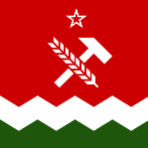
  9. Kingdom of Greiya グレイア王国 (Minsunese) gureia ōkoku ڬرييا (Ikida) Greiya National flag Coat of Arms Motto: Eclipse First, the Rest Nowhere Anthem: Notre Rêve "Our Dream" Map of Greiya Map of Greiya at the Aura continent Capital and largest city: Mitake Port City Official language : Common Ikida Minsunese Valley Sekiyan (谷语) Genterienne Markan Ethnic groups : Minsunese 25.9% Banu Pongo 24.1% Sekiyan 13.9% Uttaran 12.7% Markan 10.2% Southern Gulderienne 8.9% Others 4.3% Demonym(s) : Greiyan Government : Unitary Parliamentary Semi-constitutional Monarchy Monarch : Queen Minato Yukina Prime Minister : Abdul Razak Legislature : Parliament Upper House : House of Senate Lower House : House of Representatives Formation House of Minato established 790 AF colony of Principality of Saint Mark 1200 AF - 1300 AF Principality of Saint Mark protected state 1300 AF - 1370 AF Independence from Principality of Saint Mark 10 July 1370 AF Area Total 33,059 km2 (85,622 sq mi) (97th) Population 1425 estimate 5,586,920 (94th) Density 65.3/km2 (169.0/sq mi) (31st) GDP (PPP) 1425 estimate Total $263,557,357,370 (79th) Per capita $47,174 (19th) Currency Greiyan Gez Time zone IAT +0 (Meridian Standard Time) Calling code +2 41 3-letter code GRI 2-letter code GY Internet TLD .gy
  10. Greiya will participate in this tournament.
  11. Author Note This one is just a quick story I've made up early in the morning but I really want to write something that can properly explain the political crisis that were happening before the 14th General Election. If some of you guys realised some of the grammar mistake than I'm sorry because I'm kinda high at the time (I'm not doing something illegal btw). Sorry if this one is not as fancy as the other forum post, like a bunch of pictures, flag, map and all. This is just a quick one and I'm focusing on school stuff. Long Live Greiya! Mitake Port Crisis After the death of the seat owner, Jow Mei Lee from the Pan-Bukwas Party, the government decided to hold an election to find a replacement. After the people of Mitake Port cast their vote on August 5, 1419, for the first time in Greiya's history, the leading opposition party won the seat of the country's capital. Suresh Pravin from the National Democratic Organization won the seats by a landslide of 96%, defeating his opponent from the Pan-Bukwas Party, Ahmad Hafizi. At first, the government wasn't really minded by this, as they thought having one seat different would not harm their reputation. However, things started to change when Mitake Port was heavily developed, with many buildings rising and new policies being implemented by Suresh. Not only that, Mitake Port also came out on top of the list as the happiest city in Esferos. Even though this was a good thing for the country, many people thanked Suresh for his hard work in developing the cities. Suresh, who was born in Mitake Port, is hoping for the day he can see his beloved city recognized by people worldwide. This, however, worries the government, as they have started to lose support from the people of Greiya. Many people thought that the opposition did a much better job than the government. This of course became a big topic when a foreign space agency took and released a satellite picture of the Mitake Port, and surely enough, it was brighter than the Kurani River, which was the biggest in population at the time. The government is being questioned by netizens online, and many news outlets have started shaming the politician regarding the situation. It will eventually reach its climax when, in the 1420 general election, the United Greiya Front, the new political party on the rise, and the National Democratic Organization almost hold a majority before being narrowly defeated by the Reiwa Nationalist Coalition, which is the ruling government at the time. Suresh Pravin once again won the Mitake Port and served the city for a few months until the government had enough. On September 6, 1421, Suresh Pravin was arrested while walking his children back from school and was falsely accused of corruption and treason. And after 3 months of trial, they were later punished and jailed for 20 years. This news shocked the world, especially the people of Mitake Port, and three days later, the government announced that letting the opposition rule the capital was very dangerous for the country's democracy and political stability. Thus, the Mitake Port capital was granted special territory status, which means that the people can no longer vote to decide their own representatives in parliament. Many political experts announced it as a "move that will kill the government" as Mitake Port currently holds the most populated city in the country. On November 4, 1421, the citizens of Mitake Port came out and held a demonstration to oppose the government decision. It was the largest demonstration ever held in the country's history, with around 4,000 participants and many political figures like Abdul Razak, Sheldon Bruce, and Mitake Ran also joining in the rally. Citizens of Mitake Port officially lose their right to vote as they were officially declared a special territory on November 11, 1421. The official ceremony was only attended by big corporate executives and government politicians after the queen, Queen Yukina, decided to join the people in boycotting the ceremony. This raised many questions among the Greiyans: Did the government's government not ask permission from the Queen regarding the matter? This issue further escalated when the Queen didn't want to officially open the second part of the 13th general election. Another rally gathered on February 2, 1421, but this time in front of Bara no Kyuden (the local name for the Palace of Rose), which has been the humble residence of the Minato family for generations. This time, however, is to demand that Queen Yukina take matters into her own hands. On March 3, 1422, the Queen made a sudden announcement to everyone in the country. After her abdication in 1418, this is the first time she'll be talking to the citizens regarding the current national situation. This is very rarely done before, as everything is managed by the government, just like the "Constitutional Monarchy" system would've worked. The announcement is a sudden dissolution of the government, effective immediately. During the speech, Queen Yukina revealed everything, which included the higher-ups of the Reiwa Nationalist Coalition secretly planned on to fully abolish the power of the monarcy, money laundering, corruption, and so on, and her father is being forced by the military to just follow the flow in exchange for his family lives. After her father's death in 1418, she also had to follow all the orders given. The current crisis eventually became the last straw for the Queen to finally brave herself and reveal to the whole nation what actually happened behind the scenes. The next day, the villain who plotted the whole scheme was revealed. The whole board of the Greiya Action Party, the leading party of the government, and many higher-ups from the military were immediately arrested by the Royal Guards and were later put on trial for treason, corruption, and many others. The former prime minister, Geral Howard, immediately announced on the same day that the Pan-Bukwas Party would be leaving the coalition and that he'd be stepping down as president of that party. All of the key parties of the coalition also announced their departure until, on May 10, 1422, the Reiwa Nationalist Coalition was dissolved. It has been two months since the country didn't have a prime minister, and it was decided that Gerald Howard would be in charge until the next election. Now that the government is gone, the whole country will be in the hands of the Queen for a few days, and one of the many rising issues she needs to take care of is the current status of Mitake Port. The people of the country capital once again came out of their houses in demand of not only their voting rights but also the release of Suresh Pravin. The queen was aware of this and decided to discuss this matter with the parliament. And just like she expected, it's useless. The opposition sides keep getting booed at, and the people from the government side were fighting among themselves because they're no longer on the same page. She instead decided to ask the opinion of her people directly, and she traveled around the country to ask for their views regarding the matter. After one month of planning, meetings, and negotiations, the Queen decided that the seats for Mitake Port, the main city, and the town around it would be divided into different seats. Mitake Port will now have 5 seats instead of 1, which includes the seats of Mitake Port, Kuala Kris, Seki Square, Nik Zaki Street, and Clay Temple Town. However, the imprisonment of Suresh Pravin will remain as the court is still investigating his cases. However, now that the ruling coalition is gone, that means that the government is ruled by non-existent political parties, not to mention that the people on the government's side are fighting among themselves. After many negotiations with the Queen, meetings with the High Election Commission of Greiya, and a nationwide survey, it was decided that the next general election would be done earlier than usual, which is in 1423. Queen Yukina revealed the election date to the public, which is March 14, 1423, alongside many other important dates. This is so that all the important things can be done and will not interrupt the election flow when it's happened. The United Greiya Front decided to form a coalition alongside the National Democratic Organization and the Union Labour Party. The Pan-Bukwas Party also decided to form a coalition with the Conservative Greiya Party. And later on, in the early morning of March 15, 1423, the coalition led by the United Greiya Front shocked the world after they officially won the majority alongside other parties in the coalition. Abdul Razak, the president of the party, was named as the new Prime Minister. One week later, Suresh Pravin was granted full release by the court after they were determined that there wasn't enough evidence for further investigation, plus the Queen herself decided to grant the Royal Apology. His release was celebrated by the people of Greiya, with Mitake Ran, the MP of Mitake Port, and the people of Mitake Port waiting for his arrival at his house. He immediately hugged his daughter, whom he last saw during his arrest. Suresh decided to take a hiatus from the political arena so that he could focus his time on his family, and he believed that Mitake Ran could lead the city during the country's recovery time.
  12. The new cabinet announced, 5 new portfolios added ————————————————————————————————————————————————- Mitake Port - The Prime Minister, His Excellent Honour Muhammad Abdul Razak has announced the line of cabinet for the new government through a press conference made yesterday. The line-up introduces 5 new portfolios which include the Ministry of Technology and Innovation, Ministry of Rural and Regional Development, Ministry of Agriculture, Ministry of Economy and the merge between Ministry of Labour and Human Resources. The Deputy Prime Minister, Her Excellent Honour Imai Lisa made history to become the first woman to become a deputy prime minister and the first woman to hold more than one portfolio in a single terms. A few of the highlights that have become a hot topic among the citizens of Greiya includes, the new Minister of Defence who is famous for his leadership as a Commander of Greiya Peacekeeping Force and the new Minister or Trade, Investment and Cost of Living who is the granddaughter of “Jirou-sensei”. Many people have a hope that His Excellent Honour Lee Suew Kiew could help bringing back the Royal Greiyan Army back to his glory. Many people however thought that Her Excellent Honour Mitake Ran looks so scary that no one gonna invest in this country. Greiya’s Today will hold a poll to observe how satisfied are the people with the new cabinet announced. Listed below is the full list of the ministers appointed :- Prime Minister : Muhammad Abdul Razak (UGF) Deputy Prime Minister and Minister of Woman and Family : Imai Lisa (NDO) Minister of Finance: Sheldon Bruce (ULP) Minister of Defense : Lee Suew Kiew (UGF) Minister of Education : Trisha Selvaramy (NDO) Minister of Home Affairs : Su Ling Ying (UGF) Minister of Rural, and Regional Development : Ahmad Vermanshah (ULP) Minister of Technology and Innovation : Aimoto Karen (ULP) Minister of Plantation and Commodities : Toyama Takeru (I) Minister of Agriculture : Mohammad Amzar Mustapha (UGF) Minister of Law and Institutional Reform : Chandry Ramasamy (UGF) Minister of Transport : Harold D. Jackson (ULP) Minister of Natural Resources, Nature and Environment: Nagaratnam Anbuselvan (I) Minister of Tourism, Arts and Culture : Sarah Maimunah Kasim (NDO) Minister of Digital and Communications : Sarah Lebowsky (ULP) Minister of Trade, Investment and Cost of Living : Mitake Ran (NDO) Minister of Foreign Affairs : Muhammad Hazman Shah (UGF) Minister of Youth and Sports : Lee Huang Zhang (UGF) Minister of Economy : Muhammad Yazid Mustafa (UGF) Minister of Labour and Human Resources : Chandran Muthurani (ULP) Minister of Green Energy and Energy Sustainability : Momoyo Kurata (NDO)
  13. Greiya's Blue Tsunami Mitake Port - Last Night, we at Greiya’s Today and many other media outlets gather here at the HEC Headquarters to observe the results of the election. With the first results being Wheat Hill and no doubt that Ahmad Zarif won 59% of the votes. However, starting at 12.00 a.m midnight the result, the blue waves start pouring at the screen with the United Greiya Front winning seats after seats with the president Abdul Razak, winning the Sun Tiger Island seats with the comfortable 93% vote. Lee Suew Kiew won the Kuro Cape seat with 89% vote while Chandry Ramasamy won the Old Navy City with 74% vote. The blue waves also came along with the victorious team of the National Democratic Organisation and Union Labour Party as they too won a lot of those in this election. Imai Lisa, the president of NDO, won the Kurani River seat with 85% votes, defeating the former prime minister, Geral Howard, and his 15 years reign on the city. NDO also marked a major victory at the Mitake Port as we saw the most heated battle yet as Mitake Ran won the seat with 78% votes. The Union Labour Party marked its first victory with Abdul Halim, winning the Mat Kayu Hill seat with 67% votes, and starting from there, the Union Labour Party started to get victory after victory with the highest number, 71% votes, won by Sheldon Bruce in the New Littleton run. The Pan-Bukwas Party, started to see their downfall as they lost of 40 seats to 98 seats last year. They did, however, win a significant majority in the Minato Streets with an 89% vote win over Tatsumori Kijimoto. Other than that, the PBP marked their first major loss since 1403. Meanwhile, the Conservative Greiya Party were able to make their debut in the parliament with them winning their first seat in Shino City with 59% votes. Socialist Greiya Movement won the Nirvana Town seats with 51% votes, thus making their debut in the parliament. This year also marks the most independent candidate win as we saw 5 independent candidates win their run. The highlight of the show highlights Shinomori Tatsuya winning the Kawi Island seats with 67% votes and Sakuramachi Nanami as she won the Bandar Dayang seat with 56% votes. The last seats to be registered on the HEC are the Ichigaya Islands seats at 2.49 am with Hikari Midoriya from United Greiya Front winning the seats with 89% votes, thus closing the 13th Greiya General Election. With that, the coalition of United Greiya Front, National Democratic Party and Union Labour won this year's election by winning 57% of the seats. The press conference regarding the nation's leader will be held tonight and the full list of the new ministers will be released in a few days. Author - Wan D
×
×
  • Create New...